Furniture
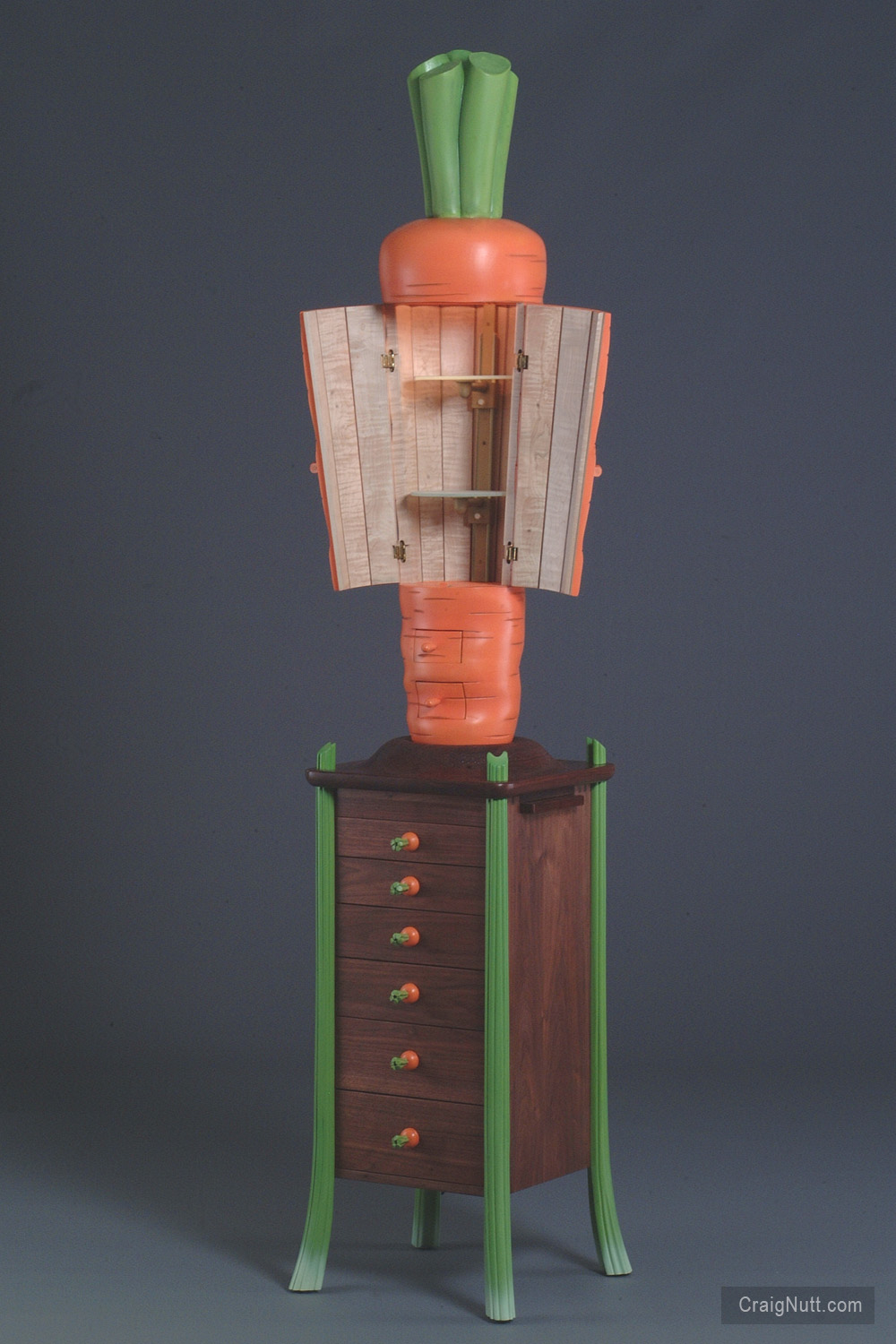
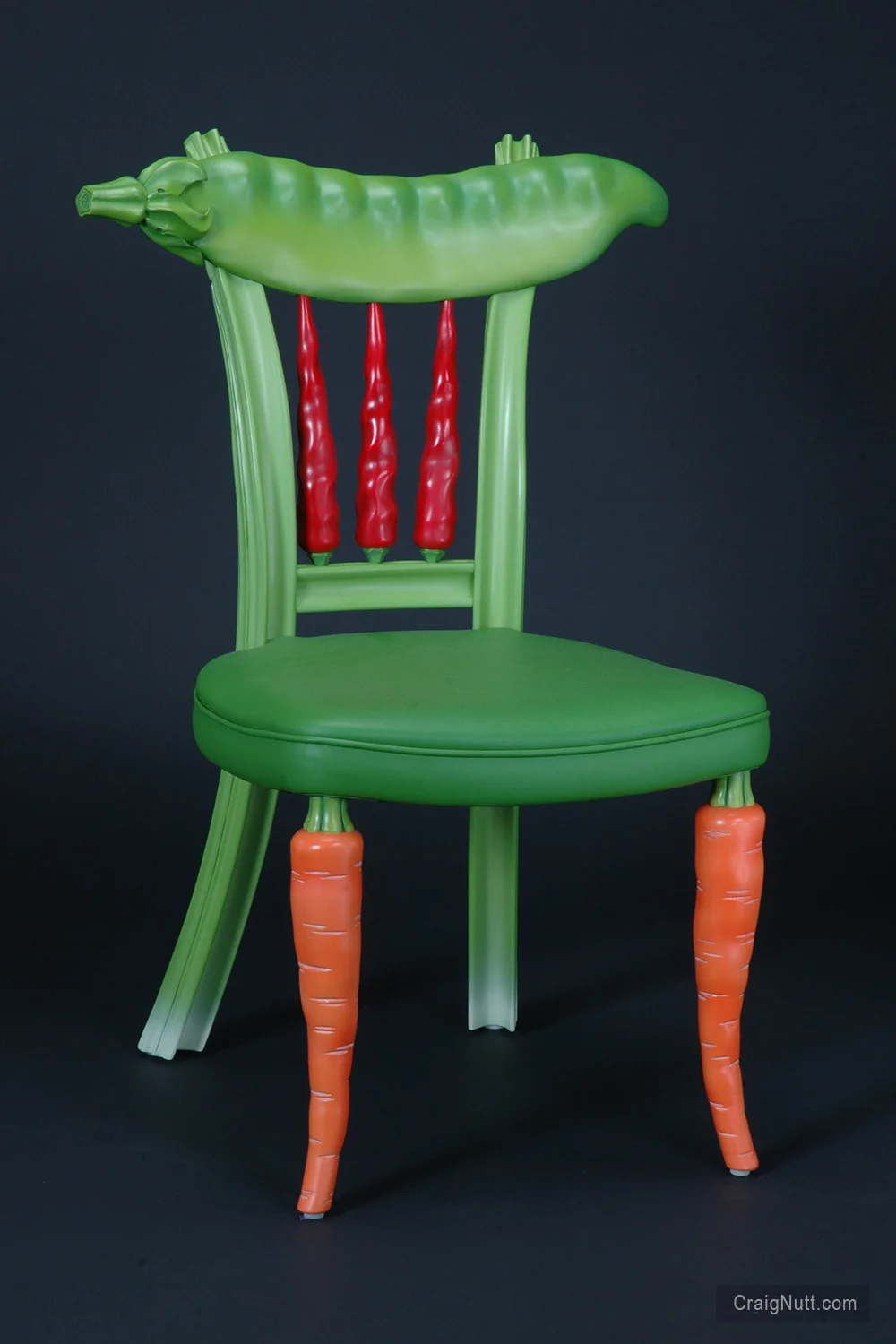
Imaginative and functional works of art, craft, and design. (Click on image for largest photo)
Painted
I was a painter before I was a furniture maker. In the beginning, I was timid about using paint on furniture. But, paint opened doors that were closed with wood alone. I have not lost my love for the beauty and qualities of wood.






Unpainted
Natural, inlaid, and bleached woods


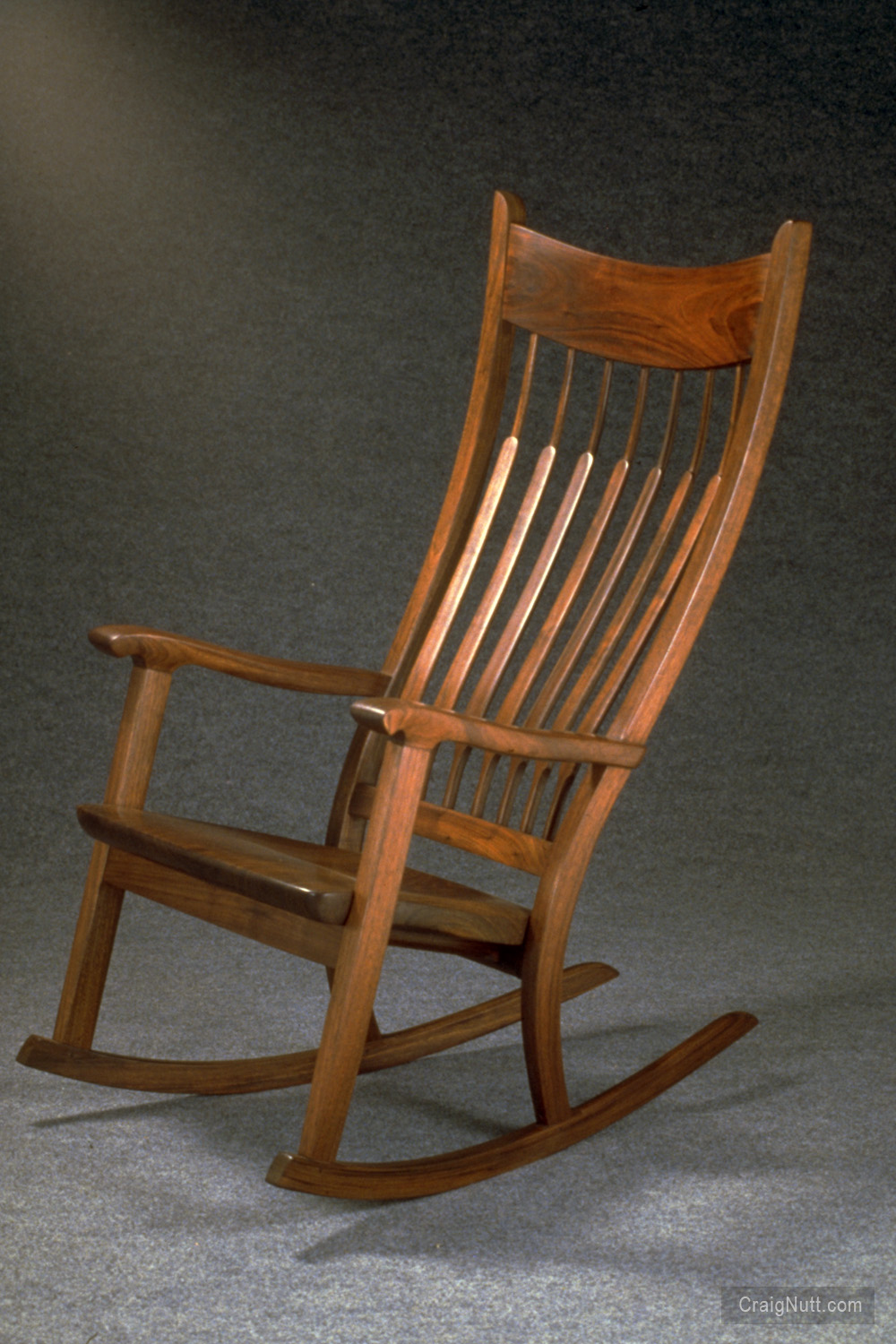


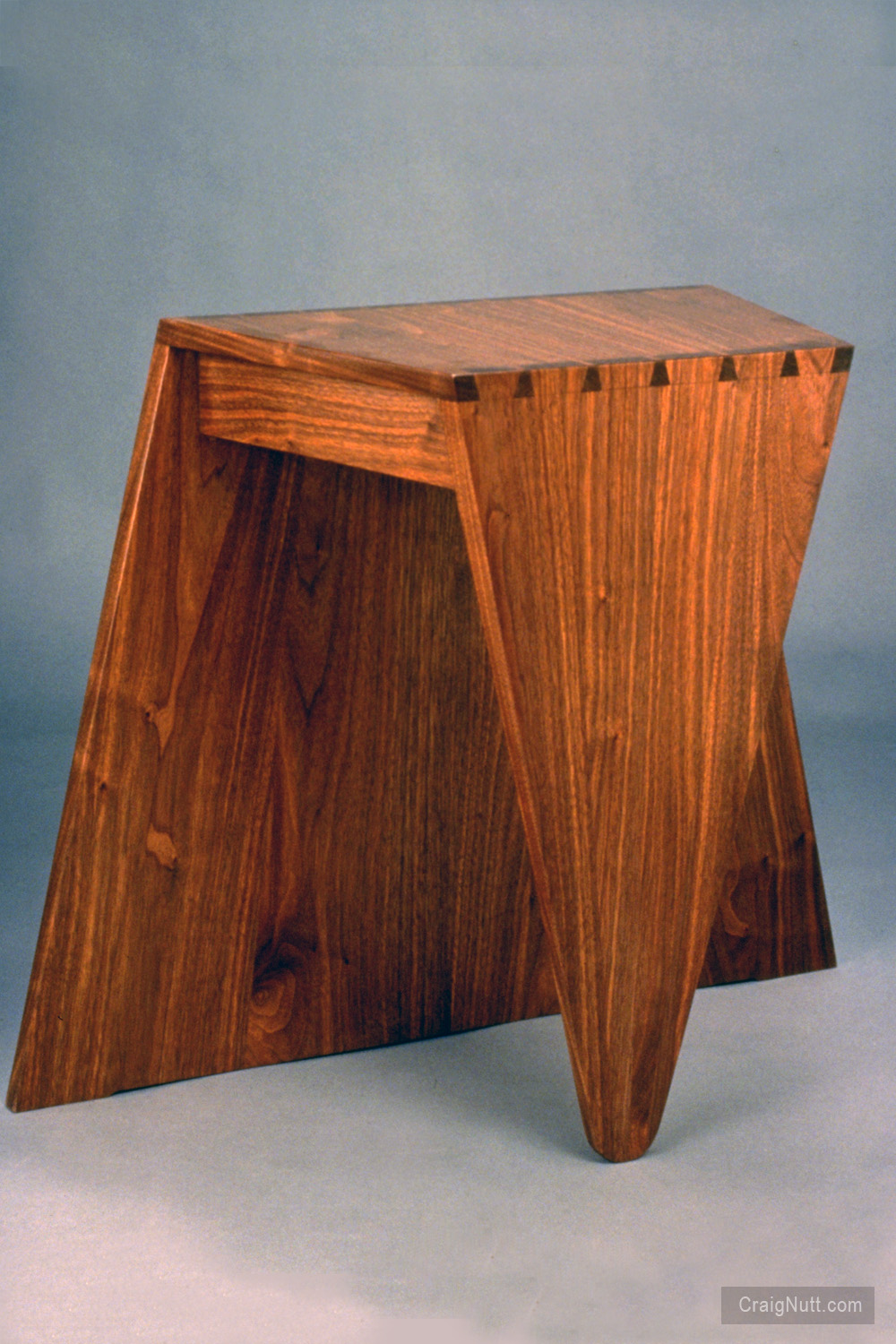


Descriptions: Unpainted Furniture
(Click on title to pop up image and your browser's back arrow to return)
Private Collection
1986, 33"x26"x19", cherry, ebony, colorcore
Descriptions: Painted Furniture
(click on title to pop up image and your browser's back arrow to return)
2005, 18"x44"x20", painted wood, upholstery fabric by Janet Taylor
Collection of the Artist
2005, 37"x25"x22", Lacquer on carved wood, Leather
Private Collection
2005, 37"x25"x22", Lacquer on carved wood, Leather
Collection: High Museum of Art
1990, 23"x18"x18", Tilt-top table, Curly maple, oil paint on carved wood
Collection: Columbus (GA) Museum of Art
1996, 26"x23"x23", Oil paint on carved wood, inlaid dyed wood,
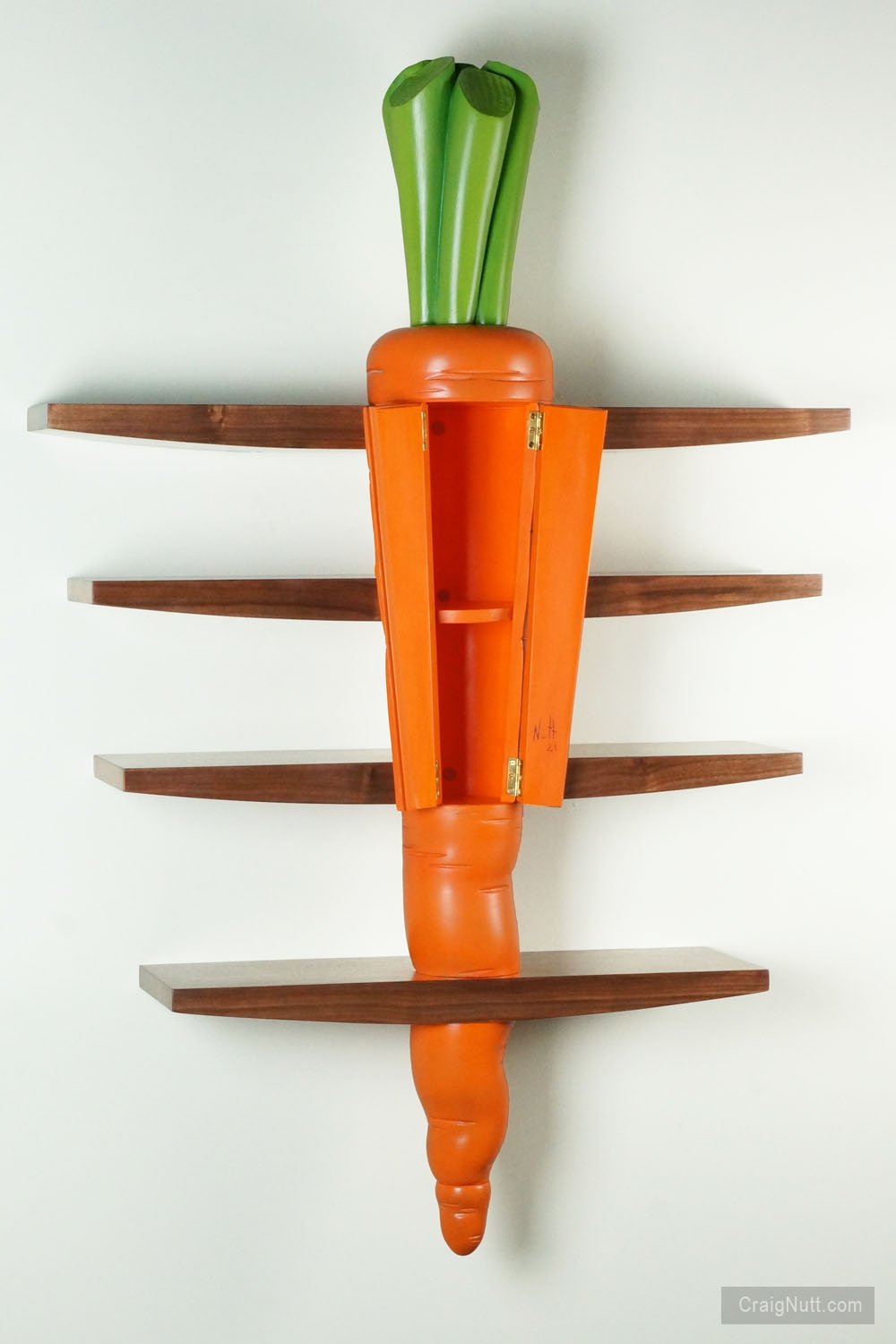
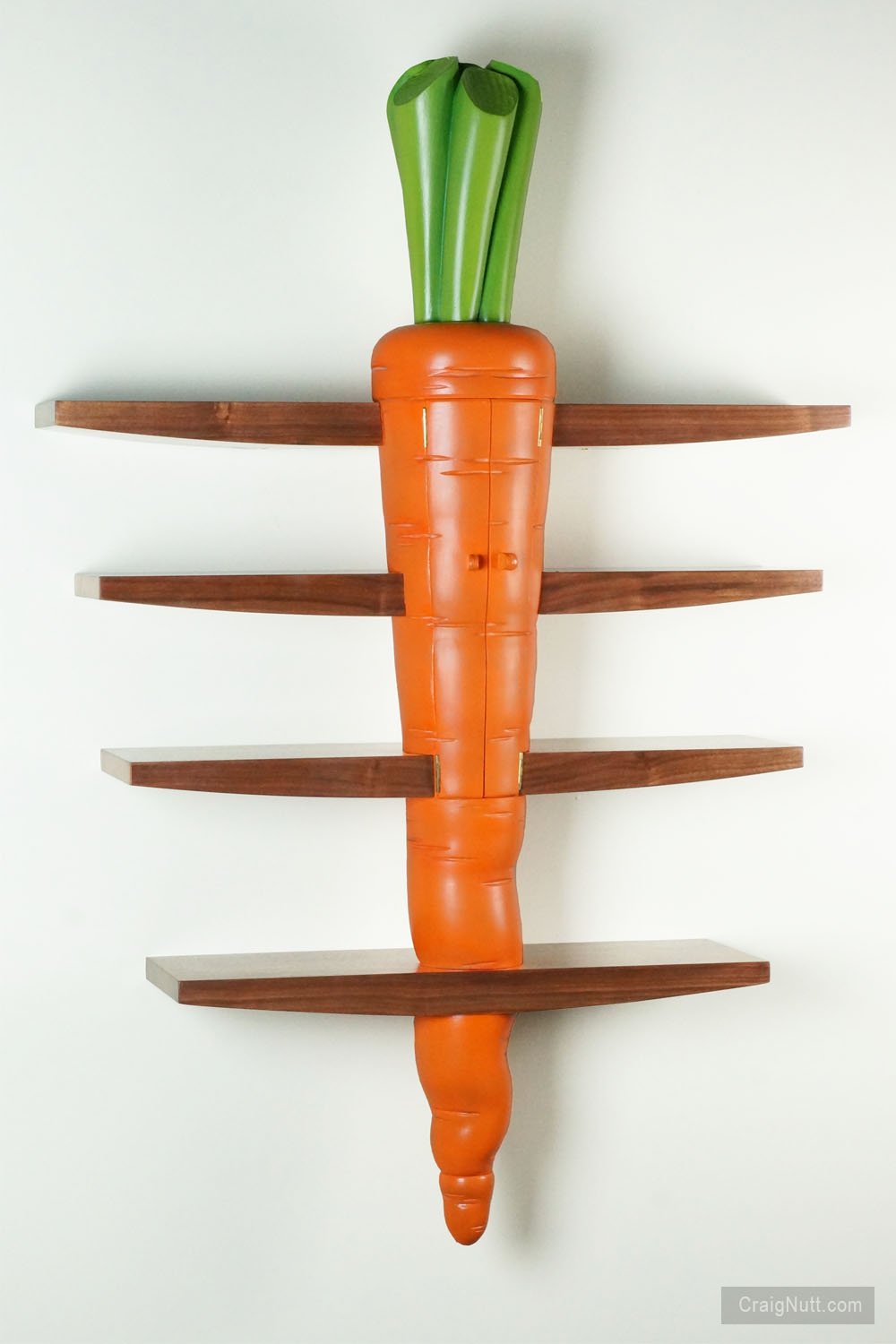
2021, 45”h. x 32”w. x 10”d., Walnut, oil paint on carved wood